

Skip the flowers. In Jewish tradition, floral arrangements are generally not sent to a funeral or a shiva home, and a donation made in the deceased’s memory is the most widely accepted alternative. If you’re pressed for time, a memorial gift to a cause the family supports (or one you choose yourself) is a safe, respectful move that never requires guessing about local custom.
If you can’t attend in person, act on one of these right away:
- Make a donation in the deceased’s name to a charity, ideally in a multiple of $18.
- Send or bring food to the shiva house, such as a simple fruit or pastry platter.
- Offer practical help or your presence, which matters more than any object you could send.
Key Takeaways
Jewish funeral etiquette favors donations, food, and practical help over flowers because mourning customs prioritize equality and lasting memory over temporary displays.
| Point | Details |
|---|---|
| Default answer is no flowers | Jewish tradition typically excludes floral arrangements at funerals and shiva homes. |
| Donations lead the list | Gifts in multiples of $18 honor the Hebrew concept of Chai and are widely accepted. |
| Food works, with one check | Confirm kosher observance before sending trays or platters to a shiva house. |
| Exceptions exist, but confirm first | Some families or rabbis permit flowers; always ask before ordering. |
| Presence outranks objects | Practical help and showing up matter more than any material gift. |
| Lafleurel fits confirmed requests | When a family explicitly welcomes flowers, Lafleurel offers modest sympathy arrangements with same-day Valley Village delivery. |
Table of Contents
- Why Flowers Aren’t Customary at Jewish Funerals
- When Flowers Might Actually Be Okay
- What to Send Instead of Flowers
- Where and When to Send Condolences
- What to Do If You’re Not Sure
- What Rabbis and Funeral Guides Actually Recommend
- A Personal Note on Getting This Right
- If Flowers Are the Right Call
- Sources
Why Flowers Aren’t Customary at Jewish Funerals
Jewish burial customs are built around simplicity and equality, not display. A traditional Jewish funeral uses a plain wooden casket and modest dress specifically so that no mourner’s grief looks more or less significant than another’s based on what they can afford to buy. Flowers, historically, were a luxury item, and funeral guidance from Kronish Funeral Services points out that lavish floral tributes could quietly create the same wealth disparities the tradition works to avoid at the graveside.
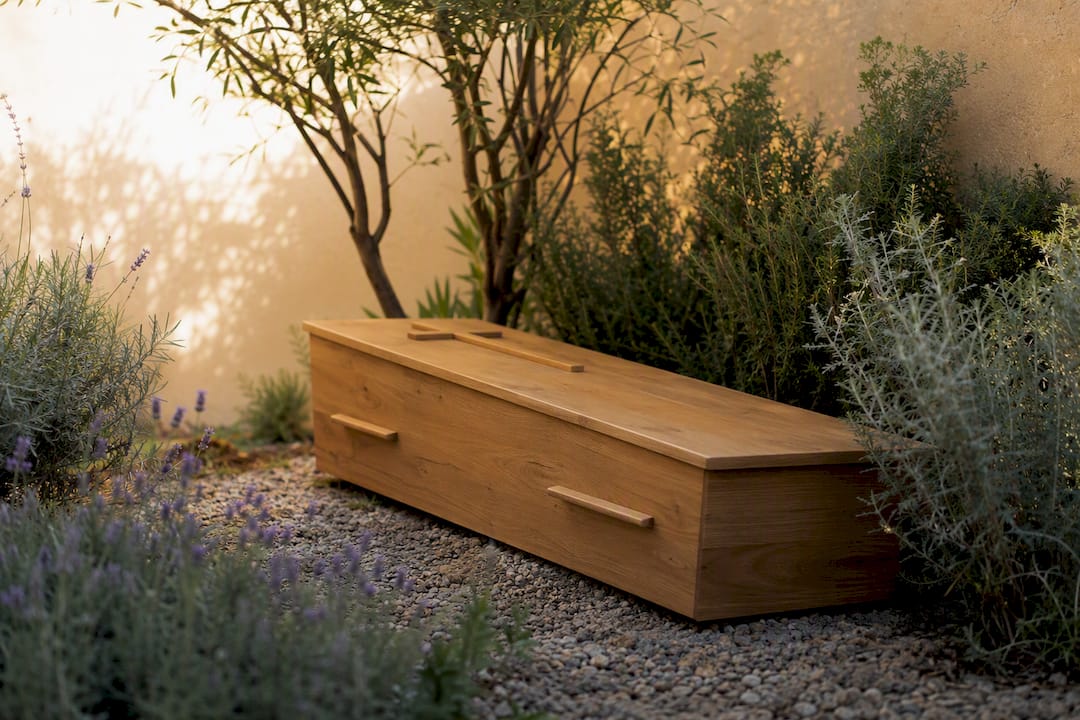
There’s also a practical root to this. Jewish law calls for burial as soon as possible, often within 24 to 48 hours, which meant historically that flowers weren’t needed to mask the odor of a delayed viewing the way they were used in other funeral traditions. Some Talmudic accounts describe myrtle branches placed for certain sages, but rabbinic commentary on the subject makes clear that modern authorities treat this as a rare historical footnote, not a template for contemporary practice.
The clearest modern summary comes from grief resource sites built specifically for this question:
As a general rule, one should not send flowers or wreaths to a Jewish funeral or the shiva home.
That’s not a suggestion buried in fine print, according to Shiva. It’s stated as the default expectation, and funeral homes that serve Jewish families echo it consistently.
When Flowers Might Actually Be Okay
Customs aren’t monolithic, and there are situations where flowers land fine instead of falling flat. A few legitimate exceptions to keep in your back pocket:
- The family has explicitly said flowers are welcome.
- The household is interfaith, and flowers are part of the expected etiquette on one side of the family.
- A rabbi or close family member has given specific permission.
- The service is at a funeral home that also serves non-Jewish families, and the flowers are meant for that context rather than the burial itself.
Before you order anything, a quick check saves everyone an awkward moment. Local funeral homes often post explicit “no flowers” policies but will confirm, in one short call, whether this particular family has made an exception. Observance also varies by community: some Reform or secular Jewish families may welcome a small, modest bouquet where a more traditional or Orthodox family would not. When in doubt, ask before you assume either way.
What to Send Instead of Flowers
Once you’ve ruled out flowers, three options cover almost every situation: donations, food, and practical help. Each carries its own etiquette.
Memorial donations are the gift most consistently recommended across Jewish funeral guidance. Kronish Funeral’s explanation of the custom notes that donations are often made in multiples of $18 to honor the Hebrew word “Chai,” meaning life. If the obituary or funeral notice names a charity, give there. If not, a cause the deceased cared about, or one you choose yourself, works fine. A simple card reading “A donation has been made to [charity] in loving memory of [name]” covers the etiquette completely.
Food for the shiva house is the most traditional and welcomed physical gift you can send. According to Reader’s Digest’s etiquette guide for non-Jewish guests, simple items like fruit baskets, nut platters, or basic desserts are standard, since mourners aren’t expected to cook during the shiva period. The one non-negotiable step: confirm whether the family keeps kosher before you order anything, since non-kosher food sent to an observant household can’t be used at all.
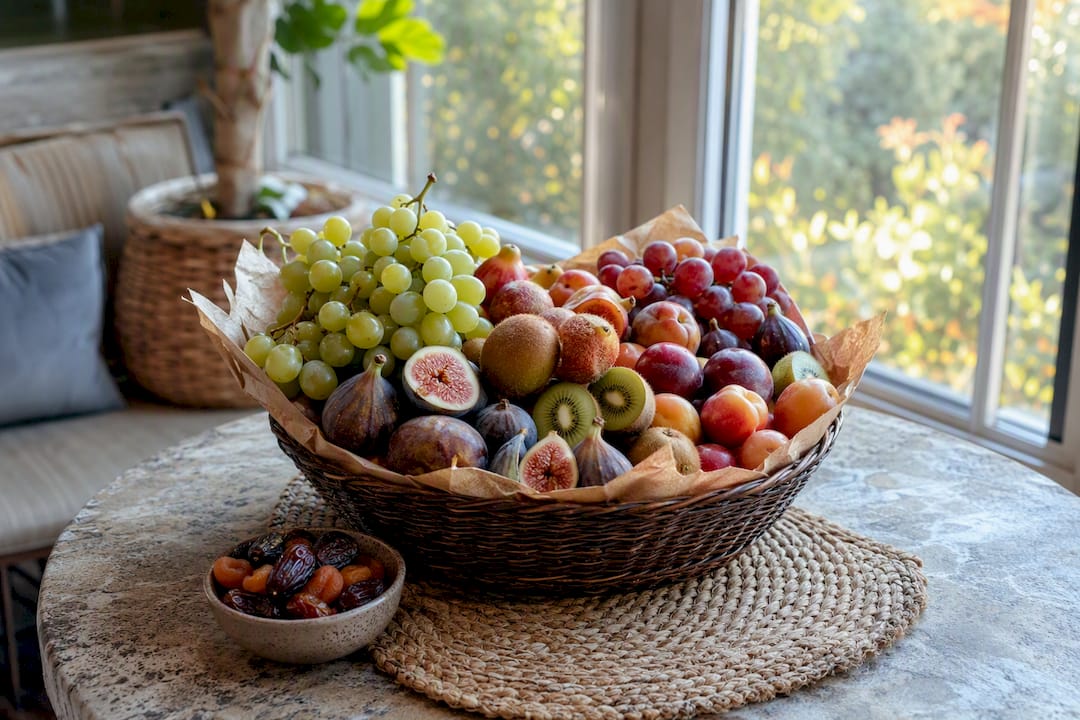
Practical help and presence rank above material gifts in most Jewish etiquette guidance. Offering to run errands, drive relatives, or simply sitting with a mourner during visiting hours often means more than anything that arrives by delivery truck.
For your card or note, keep the wording short:
- “Wishing you comfort and peace during this difficult time.”
- “May [name]'s memory be a blessing.”
- “Thinking of you and your family. Please let me know how I can help.”
To arrange a donation or food delivery without a misstep, confirm the charity or kosher status first, then coordinate timing with a close family member rather than showing up unannounced.
Where and When to Send Condolences
Timing and location trip people up more than the gift itself. Donations can be made any time, before or after the funeral, and typically go directly to the named charity rather than to the family. Food, on the other hand, belongs at the shiva house, not the funeral home, and it’s generally welcomed starting the evening the family returns from the burial.
A few rules keep the logistics clean:
- Confirm the shiva address and hours with a family member or the funeral home before sending anything.
- Skip elaborate packaging. A simple tray with a plain card naming the deceased and who it’s from is standard.
- Never send anything requiring the family to send a formal thank you note back. That’s part of why donations and modest food gifts are preferred over gifts that create social obligations during an already exhausting week.
- If mailing a card, address it to the immediate family, not “the family of,” which can feel impersonal.
Pro Tip: Call the funeral home before sending anything. A thirty-second conversation about kosher observance and shiva timing prevents almost every common mistake described here.
What to Do If You’re Not Sure
Uncertainty is normal, especially if this is your first Jewish funeral. Three short scripts handle almost any situation:
- Calling the funeral home: “Hi, I’m a friend of [name]'s family. Is there anything specific they’d like sent, or should I make a donation instead?”
- Texting a close friend or relative: “I’m so sorry for your loss. What can I do to help this week, whether it’s food, errands, or just company?”
- Writing a card with a donation: “A gift has been made in [name]'s memory to [charity]. Thinking of you and your family.”
If none of that is possible and you truly can’t confirm anything, a modest donation in the deceased’s name is the safest fallback available. It requires no coordination with the household and fits Jewish mourning customs in nearly every community. Presence, when you can offer it, still outranks any gift you could send.
What Rabbis and Funeral Guides Actually Recommend
Across rabbinic sources and funeral-home guidance, the recommendation is remarkably consistent: skip the flowers, favor donations or food, and let simplicity carry the message of respect. Multiple community resources, including Beth Abraham Memorial Chapel’s overview of Jewish customs, point to the same short list of accepted gestures.
The $18 tradition remains the most cited specific practice. Donations made in multiples of 18 honor the Hebrew concept of Chai, and it’s a detail even non-Jewish mourners can use to show they understand the tradition, not just follow it.
A few other consistent threads worth knowing:
- Historical exceptions like myrtle branches for certain sages exist, but they don’t function as modern precedent.
- Graveside visits traditionally involve leaving a small stone rather than flowers, and for those considering lasting tributes, options like pet memorials and keepsakes offer durable ways to honour a beloved companion, since a stone endures where flowers wilt within days.
- Presence and practical help are named more often than any material gift as what mourners actually remember.
A Personal Note on Getting This Right
Deciding what to send when someone is grieving is genuinely hard, and overthinking it usually comes from a good place. What I’d want you to walk away with is this: a modest donation, a simple food tray, or just showing up and asking how to help will never be the wrong call. Jewish mourning custom rewards restraint, not grand gestures, and every option covered here fits that spirit.
If Flowers Are the Right Call
Sometimes a family tells you directly that flowers are welcome, and in that case, you don’t need to overthink the arrangement itself. Lafleurel builds modest, understated sympathy pieces designed for exactly this kind of moment, sourced from locally grown blooms rather than mass-market stock, with same-day delivery across Valley Village and the surrounding Los Angeles area.

A quiet, low-profile bouquet, something like the Graceful Posies arrangement, tends to fit these situations better than a large, showy display, which can read as tone-deaf even when flowers are technically welcome. Lafleurel can also build a custom arrangement if the family has specific preferences, whether that’s a particular color palette or a request tied to something the deceased loved. If you’ve confirmed with the family that flowers are appropriate, visit Lafleurel’s Valley Village page to check same-day availability and place an order before the shiva begins.
Sources
- Flowers on Coffins and Graves — Outorah (OU Torah)
- Shiva
- Jewish funeral etiquette for non-Jews — Reader’s Digest